Why Do Public Wi-Fi Networks Ask You to Accept Terms Before Connecting?
If you connect to Wi-Fi at a coffee shop, airport, or hotel, you are often redirected to a page that asks you to accept terms and conditions before you can access the internet.
This extra step is part of how public networks manage access and protect their systems.
The Short Answer
Public Wi-Fi networks require users to accept terms so the system can verify access, control usage, and manage security on the network.
How Public Wi-Fi Login Systems Work
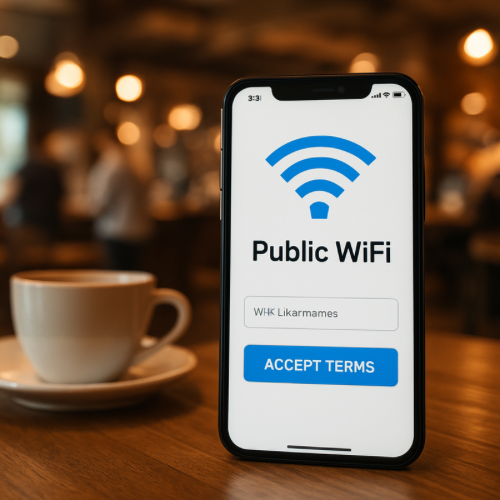
Public Wi-Fi networks use a system called a captive portal. When you connect to the network, your device is temporarily blocked from accessing the internet until you interact with the login page.
This page appears automatically and requires you to accept terms, sign in, or confirm access.
Why Networks Require Agreement to Terms
The terms page serves as a basic agreement between the user and the network provider. It may include rules about acceptable use, such as not accessing illegal content or overloading the network.
By accepting the terms, users acknowledge these rules before gaining access.
Controlling Who Uses the Network
The login page also allows the network to control who connects. Some systems limit usage time, require email entry, or track how many devices are connected.
This helps prevent overcrowding and ensures the network remains usable for everyone.
Security and Monitoring
Public networks often monitor traffic to detect unusual activity. The login step helps the system identify devices and manage connections more effectively.
It also allows the network to block or limit users if necessary.
The Bottom Line
Public Wi-Fi networks ask you to accept terms because the system uses a login portal to manage access, enforce usage rules, and maintain network performance and security.