Why Do Gas Pumps Shut Off Automatically When the Tank Is Full?
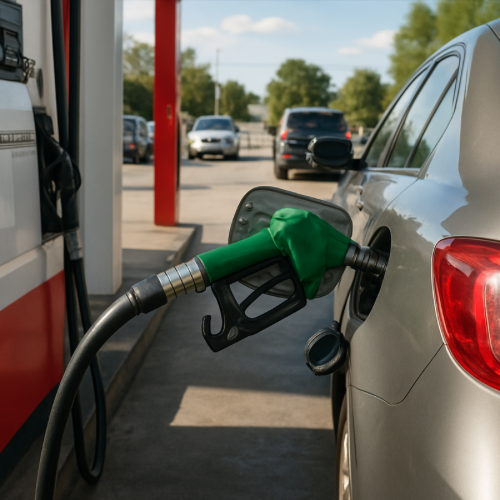
When filling up a car with fuel, the gas pump usually stops automatically once the tank is full. This happens even if you continue holding the handle, preventing fuel from spilling out of the tank.
This automatic shutoff is built into the design of the fuel nozzle and helps ensure safe and accurate refueling.
The Short Answer
Gas pumps shut off automatically because the nozzle detects when fuel reaches the top of the tank and triggers a mechanism that stops the flow of gasoline.
How the Nozzle Detects a Full Tank
Inside the fuel nozzle is a small sensing tube connected to the pump handle. As fuel flows into the tank, air is pulled through this tube.
When the fuel level rises high enough to cover the end of the nozzle, it blocks the airflow in the tube.
What Happens When Airflow Stops
When the airflow is blocked, the pressure inside the nozzle changes. This change activates a mechanical switch inside the handle, which immediately shuts off the flow of fuel.
This happens very quickly to prevent gasoline from overflowing.
Why This System Is Important
Without automatic shutoff, drivers would need to watch the fuel level constantly. Overfilling could cause spills, which are both hazardous and wasteful.
The shutoff system helps reduce fire risk, environmental damage, and fuel waste.
Why Pumps Sometimes Shut Off Early
In some cases, the pump may stop before the tank is completely full. This can happen if the nozzle is not positioned correctly or if fuel splashes back and temporarily blocks the sensor.
Adjusting the nozzle slightly often resolves this issue.
The Bottom Line
Gas pumps shut off automatically because the nozzle detects when the tank is full by sensing changes in airflow, triggering a mechanism that stops the flow of fuel and prevents overfilling.