Why Do Power Plugs Have Different Prong Shapes?
What It Is
Power plugs connect electrical devices to outlets using metal prongs.
How It Works
The prongs deliver electricity from the outlet to the device.
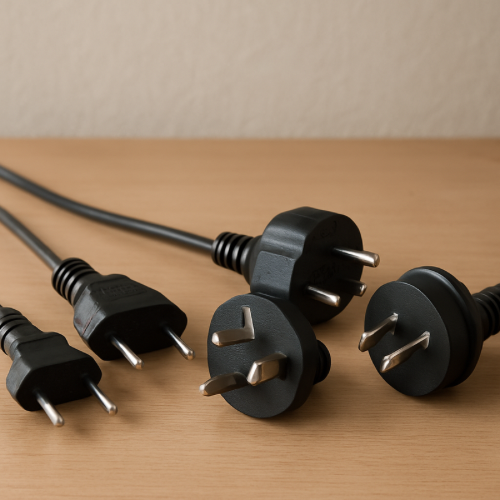
Their shape determines how the plug fits and functions.
Why Prong Shapes Differ
Different shapes prevent incorrect connections.
They also support grounding and voltage control.
Why Some Plugs Have Three Prongs
The third prong provides a safety ground.
This reduces the risk of electrical shock.
Common Examples
- Two-prong plugs on low-power devices
- Three-prong plugs on appliances
- Specialty plugs for high-power equipment
What to Know Next
Plug designs follow electrical safety standards.
Closing Summary
Power plugs have different prong shapes to ensure safety, proper grounding, and correct electrical connections.