How Do Smoke Detectors Sense Smoke?
What It Is
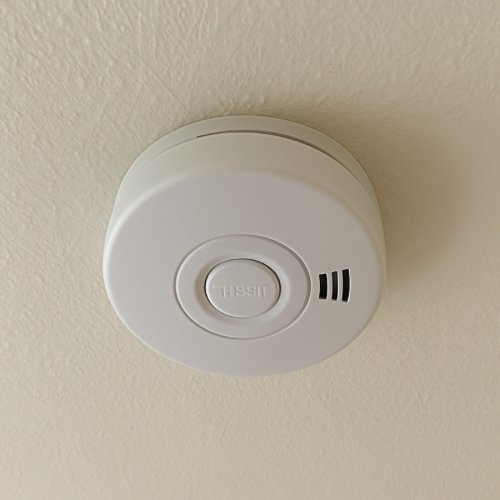
A smoke detector is a safety device designed to detect smoke particles in the air and sound an alarm.
How It Works
Most smoke detectors use sensors that monitor the air inside the device. When smoke enters the detector, it interferes with the sensor’s normal operation.
That change triggers the alarm.
Why It Happens
- Photoelectric sensors: Smoke scatters a light beam inside the detector.
- Ionization sensors: Smoke disrupts a small electrical current.
- Air movement: Rising smoke naturally enters ceiling-mounted detectors.
- Particle detection: The alarm reacts to smoke particles, not smell.
Common Examples
- Smoke alarms sounding during cooking
- Alarms activating before flames are visible
- Detectors responding to smoky air from nearby rooms
What to Know Next
Different smoke detectors use different sensing methods, which is why some respond faster to certain types of smoke.
Simple Cautions
Dust or insects inside a detector can sometimes interfere with sensors.
Closing Summary
Smoke detectors sense smoke by detecting changes in air caused by smoke particles, which trigger the alarm system.