Why Do Traffic Signal Boxes Have Small Cooling Vents?
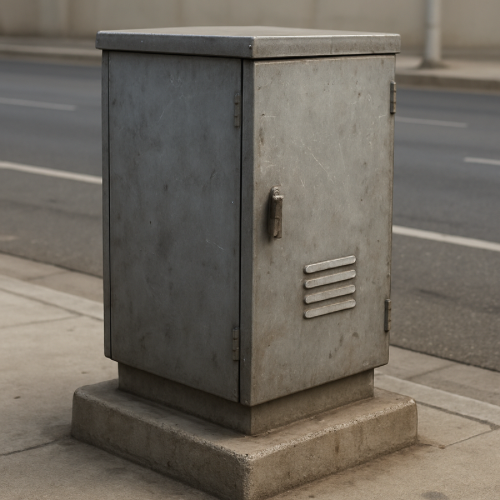
Traffic signal boxes have small cooling vents because the electronic equipment inside generates heat that must be released to keep the system operating reliably.
Heat Generated by Signal Equipment
Inside a traffic signal control box are power supplies, controllers, relays, and communication hardware. As these components operate continuously, they produce heat.
Without a way to release that heat, internal temperatures could rise high enough to affect performance or shorten component lifespan.
Why Passive Venting Is Used
Most traffic signal boxes rely on passive ventilation rather than fans. Small vents allow warm air to escape naturally while cooler air enters from below.
This reduces mechanical complexity and limits maintenance needs.
Keeping Weather and Debris Out
The vents are designed with baffles or louvers that allow airflow while blocking rain, insects, and debris from entering the cabinet.
This balance protects sensitive electronics from environmental exposure.
Why the Vents Are Small
Large openings would increase the risk of moisture intrusion or vandalism. Small vents provide sufficient airflow without compromising security or weather resistance.
The size is carefully chosen based on expected heat output.
Supporting Long-Term Reliability
By allowing excess heat to escape, the vents help maintain stable internal temperatures. This improves reliability and reduces the likelihood of system failures at intersections.
The design supports continuous operation in a wide range of outdoor conditions.