Why Did My Bank Reverse a Temporary Credit After a Dispute?
If your bank reversed a temporary credit after a dispute, it usually means the investigation concluded that the original charge was valid under card network or banking rules.
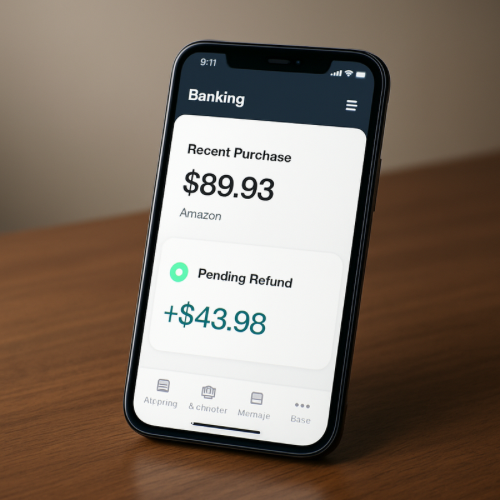
Temporary credits—also called provisional credits—are often issued while a bank investigates a disputed transaction. They are not final decisions. They are conditional adjustments.
What Is a Temporary Credit?
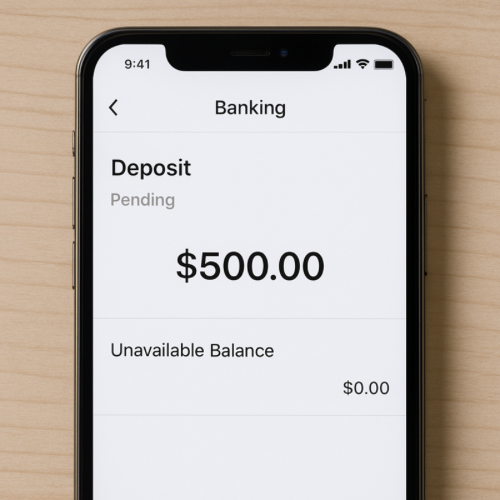
When you dispute a transaction, banks may provide a temporary credit so your account balance reflects the disputed amount during the investigation period.
This does not mean the dispute has been resolved in your favor. It simply allows funds to be available while the review is ongoing.
Why This Happens (The Mechanism)
Disputes typically follow this sequence:
- You file a dispute with your bank
- The bank issues a provisional credit
- The bank submits a chargeback to the merchant’s bank
- The merchant provides evidence (if applicable)
- The network reviews documentation
- A final decision is issued
If the evidence supports the original charge, the temporary credit is reversed.
Merchant Evidence Review
Merchants can respond to chargebacks by submitting proof such as:
- Signed receipts
- Delivery confirmation
- IP address logs
- Authorization approvals
If the evidence meets network standards, the dispute may be resolved in the merchant’s favor.
Card Network Rules
Visa, Mastercard, and other card networks operate under structured dispute timelines and reason codes. Temporary credits exist to protect consumers during investigation windows, but final outcomes depend on documentation.
This differs from scenarios where authorization holds fall off automatically without formal dispute processes.
Provisional vs Final Settlement
A provisional credit is not final settlement. It is conditional.
If the investigation concludes against the claim, the bank removes the credit and reinstates the original charge.
This reversal can resemble how ACH returns adjust account balances after settlement, although dispute processes involve card network rules rather than ACH batch systems.
When It’s Normal vs When It’s Unusual
Normal
- Reversal occurs after 30–60 days
- Bank sends written notice explaining the outcome
- Merchant evidence was submitted
Unusual
- Temporary credit removed without investigation notice
- Multiple reversals for unrelated disputes
- No documentation explaining the decision
Real-World Example
You dispute a $200 online purchase claiming you did not authorize it. The bank credits your account temporarily. The merchant later provides proof of delivery and IP address match. The card network rules in favor of the merchant. The bank reverses the provisional credit.
What This Means for You
A temporary credit reversal does not mean an error occurred. It typically reflects the outcome of the dispute review process.
The investigation concluded that the transaction met network validity standards.
Bottom Line
If your bank reversed a temporary credit after a dispute, it means the provisional adjustment was removed following the final investigation outcome. Temporary credits protect accounts during review, but they are not guaranteed refunds.