How Does a Credit Card Chip Work?
What It Is
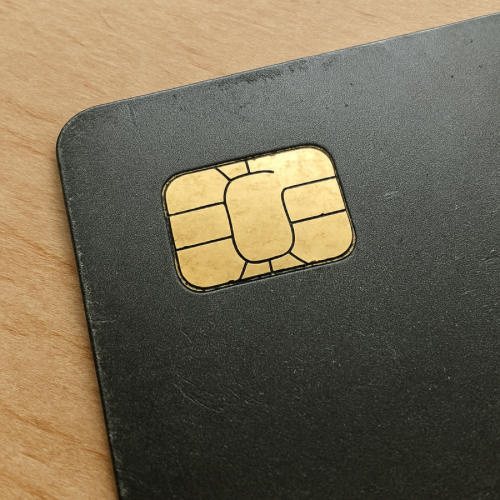
A credit card chip is a small electronic component embedded in the card that helps process secure payments.
How It Works
When a chip card is inserted into a payment terminal, the chip communicates with the reader using electrical contacts.
The chip generates a unique code for that specific transaction, which is sent to the payment network for approval.
Why It Happens
- Security design: Each transaction uses unique data.
- Encryption: Information is protected during transmission.
- Terminal communication: The chip exchanges data directly with the reader.
- Fraud reduction: Reused card data is harder to exploit.
Common Examples
- Inserting a card instead of swiping
- Being asked to leave the card in the reader
- Seeing “chip read error” messages
What to Know Next
Chip cards are more secure than magnetic stripe cards, but they still rely on proper handling and secure terminals.
Simple Cautions
Damaging the chip surface can prevent the card from being read correctly.
Closing Summary
A credit card chip works by communicating with the payment terminal and creating a unique, encrypted code for each transaction.