What Causes Your Eyes to Adjust When You Move Into a Dark Room?
What It Is
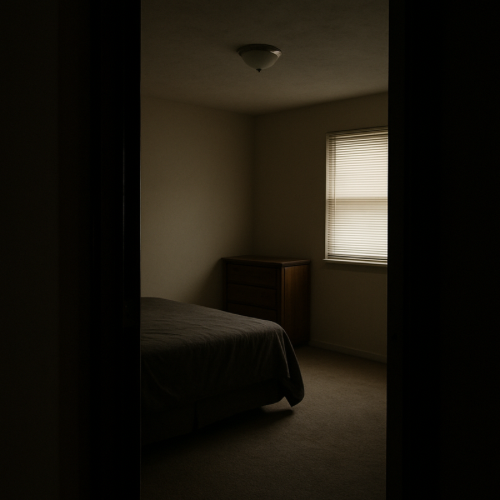
When you step into a dark room, it’s often hard to see at first. After a short time, shapes and details gradually become clearer.
How It Works
Your eyes contain light-sensitive cells that react differently depending on how bright the environment is. In bright light, some cells dominate vision. In low light, other cells become more active.
As lighting changes, your eyes shift which cells are doing most of the work.
Why It Happens
- Light-sensitive cells: Different cells handle bright and dim conditions.
- Chemical changes: Sensitivity increases in low light.
- Pupil adjustment: The pupil slowly opens to let in more light.
- Time: Full adjustment takes several minutes.
Common Examples
- Entering a dark movie theater
- Walking into a dark room at night
- Turning off lights before going to sleep
What to Know Next
Bright light immediately after darkness can temporarily reduce night vision again.
Simple Cautions
Vision adjustment is normal and varies from person to person.
Closing Summary
Your eyes adjust in a dark room because light-sensitive cells, pupil size, and chemical responses shift to improve vision in low light.