Why Did My Subscription Charge Before the Renewal Date?
If your subscription charged before the renewal date shown in your account, it usually means the merchant processed the billing request in advance of the official service renewal date.
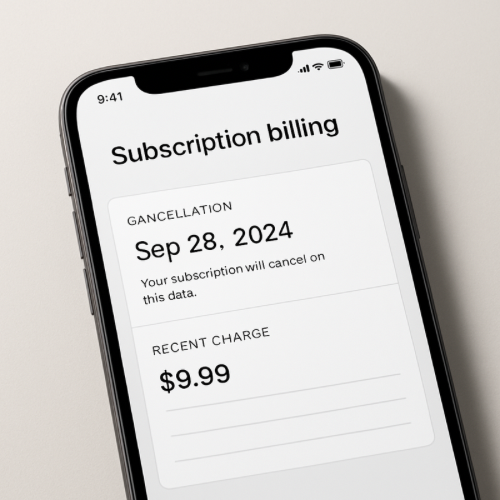
The displayed renewal date often reflects when access renews — not when the payment authorization is initiated.
How Subscription Billing Actually Works
Recurring subscriptions run on automated billing systems. These systems do not manually charge accounts on the exact renewal minute. Instead, they use scheduled batch processing.
The general process looks like this:
- The system identifies accounts renewing in an upcoming cycle.
- Payment authorizations are initiated in batches.
- Card networks and banks approve or decline.
- Access continues through the renewal period.
That authorization step can occur hours — and sometimes a full day — before the visible renewal date.
Why Companies Charge Early
1. Authorization Window Buffer
Merchants often submit the charge early to ensure there is time to retry if the payment fails. If they waited until the exact expiration moment, service interruptions would be more common.
2. Time Zone Differences
Billing systems may operate in UTC or another time zone. A charge that appears “early” may simply reflect time zone conversion.
3. Batch Processing Cutoffs
Payment processors group transactions into batches. If your renewal falls on a weekend or holiday, the charge may be initiated on the prior business day.
4. Preauthorization vs Settlement
Some subscriptions place an authorization hold first. Settlement may occur later.
How This Differs From Duplicate Charges
An early charge is not the same as a duplicate charge. Duplicate charges typically involve separate transaction records.
Billing timing differences are often related to how recurring payment cycles operate, which is similar to how payments can show as processing before final posting.
Real-World Example
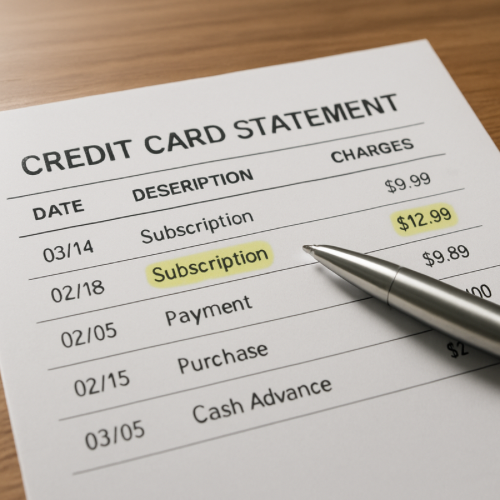
Your streaming service renews on March 15. The billing system submits authorization on March 14 at 11:30 PM UTC. Your bank records the charge on March 14 in your local time zone, making it appear early.
When It’s Normal vs When It’s Unusual
Normal
- Charge appears 1 day before renewal
- Service period still matches expected cycle
- No duplicate transaction
Unusual
- Charge appears multiple times
- Charge occurs weeks before renewal
- Service period does not align with billing
What This Means for You
An early subscription charge usually reflects automated billing logic designed to prevent service interruption, not an error.
Bottom Line
If your subscription charged before the renewal date, the billing system likely initiated authorization early as part of its processing cycle. The service renewal date and payment initiation date are not always the same.