Why Does Ice Melt Faster in Water Than in Air?
Ice melts faster in water than in air because water transfers heat more efficiently. Even when water feels cold, it can deliver heat to ice faster than air can.
This faster heat transfer speeds up melting.
What It Is
Melting is the process where solid ice turns into liquid water.
This happens when ice absorbs heat from its surroundings.
How It Works
Heat moves from warmer areas to colder ones.
- Ice is colder than the surrounding environment.
- Heat flows into the ice from nearby materials.
- Water surrounds the ice and stays in constant contact.
- Heat transfers into the ice quickly through the water.
Air transfers heat much more slowly than water.
Why It Happens
Water is denser than air and contains more heat energy.
As water near the ice cools, it moves away and warmer water replaces it, continuing the melting process.
Common Examples
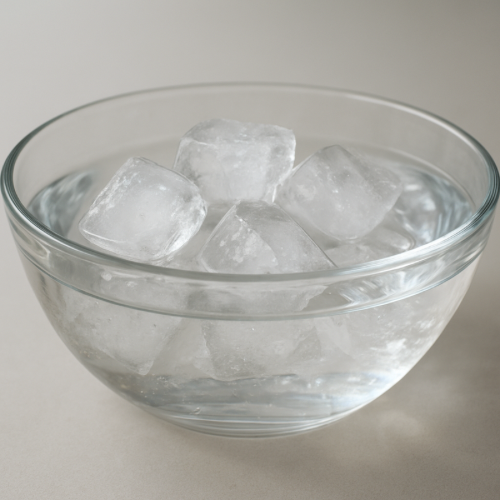
- Ice cubes melting quickly in a glass of water
- Ice lasting longer when left on a counter
- Ice melting rapidly in lakes or ponds
- Ice cooling drinks faster than cooling air
What to Know Next
Even cold water usually melts ice faster than warm air.
Moving water can melt ice even more quickly.
Simple Cautions
Ice melting in water can make surfaces slippery.
Rapid melting can affect cooling expectations in drinks.
Closing Summary
Ice melts faster in water than in air because water transfers heat more efficiently. Constant contact and movement allow heat to reach the ice more quickly.