Why Do Shipping Containers Have Corrugated Walls?
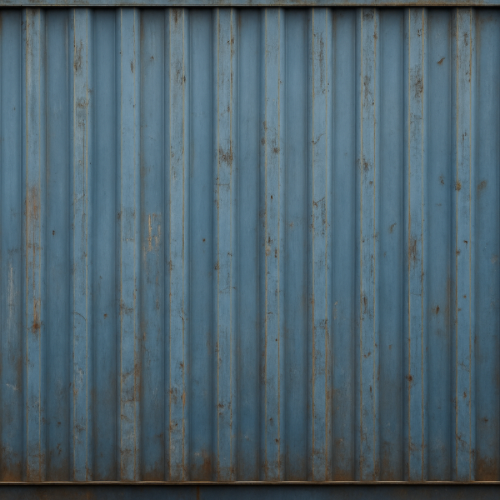
Shipping containers have corrugated walls because the ridged shape increases structural strength while keeping the container lightweight.
How Corrugation Increases Strength
Corrugation adds stiffness to flat steel panels by introducing repeated ridges and grooves. This shape resists bending and flexing much better than flat metal sheets.
The walls can withstand heavy forces without becoming thicker.
Supporting Stacking Loads
Shipping containers are stacked several units high during transport. Corrugated walls help prevent side panels from buckling under vertical and lateral loads.
This supports safe stacking during shipping and storage.
Resisting Impact and Vibration
Containers experience vibration, impacts, and shifting during transport. Corrugated walls absorb and distribute these forces more evenly.
This reduces permanent deformation.
Reducing Material Weight
Using corrugated steel allows containers to remain strong without using heavier or thicker metal. This keeps overall container weight lower.
Lighter containers improve fuel efficiency and handling.
Standardized Container Engineering
The corrugated wall design has proven effective across decades of global shipping. It balances strength, durability, and cost.
This is why the design is used consistently in intermodal containers.