Why Do Railroad Tracks Use Gaps Between Sections?
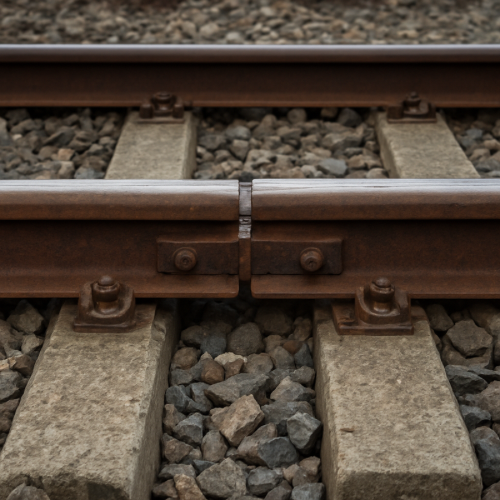
Railroad tracks use gaps between sections to allow the steel rails to expand and contract as temperatures change without damaging the track structure.
Steel Expands With Heat
Railroad rails are made of steel, which expands when heated and contracts when cooled. Over long distances, even small changes in temperature can cause significant movement.
Without space to move, this expansion would place extreme stress on the rails.
Preventing Track Buckling
If rails expand with no room to move, they can bend sideways or upward. This condition, known as track buckling, creates dangerous misalignment.
Gaps reduce internal stress and help keep rails straight.
How Expansion Gaps Work
The gaps are calculated based on expected temperature ranges and rail length. As temperatures rise, the rails expand into the gap.
As temperatures fall, the gap widens again.
Modern Continuous Welded Rail
Some modern rail systems use continuously welded rail instead of visible gaps. In these systems, expansion is managed through controlled tension and anchoring.
The same expansion principles still apply.
Balancing Strength and Flexibility
Railroad track design balances rigidity with controlled movement. Expansion gaps allow rails to remain strong while accommodating natural temperature changes.
This design improves safety and long-term durability.