Why Do Machines Cancel Transactions Without Explanation?
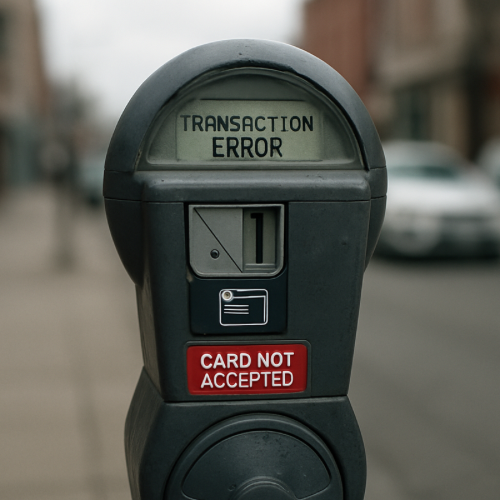
You’re in the middle of paying—card in hand—and suddenly the machine cancels the transaction. No clear reason, no helpful message, just a reset back to the start.
It feels random, but it usually happens because the system is designed to stop the process the moment something doesn’t go exactly as expected.
The Short Answer
Machines cancel transactions without explanation because they are programmed to reset when timing, connection, or input conditions are not met.
How Machine Transactions Actually Work
When you start a transaction, the machine begins a step-by-step process. It has to:
- collect your input (card, cash, or selection)
- send the request to a payment system
- wait for approval
All of this has to happen within a very short, controlled time window.
If anything interrupts that sequence, the machine cancels and resets.
Timeouts Are the Most Common Cause
Machines are built with strict timers. If you pause too long between steps—like waiting before inserting your card or confirming a payment—the system assumes the transaction was abandoned.
Instead of waiting indefinitely, it cancels and resets.
This connects to why card readers fail after multiple attempts, where systems limit repeated or incomplete actions.
Connection Interruptions
Many machines rely on a network connection to process payments. If that connection drops—even briefly—the transaction cannot continue.
Rather than risk an incomplete or incorrect charge, the system cancels it.
Input Errors or Incomplete Reads
If the machine cannot clearly read your card, cash, or selection, it may cancel the transaction.
This can happen if a card is removed too quickly, inserted incorrectly, or not read properly.
This is similar to why machines reject new bills, where the system depends on clean, readable input.
System Reset for Safety
Machines are designed to avoid partial or incorrect transactions. If something doesn’t match expected conditions, the safest action is to cancel and start over.
This prevents double charges, incorrect amounts, or stuck transactions.
Why There’s No Explanation
Most machines are designed to keep messages simple. Instead of showing detailed technical reasons, they display a general “canceled” message and reset.
This keeps the system fast and avoids confusing most users, even though it can feel unclear in the moment.
Real-World Example
For example, you tap your card but hesitate before confirming the payment. The system times out, cancels the transaction, and returns to the main screen—even though everything seemed fine.
What to Expect
In most cases, you can immediately restart the transaction and it will go through normally.
If cancellations happen repeatedly, it may be due to a weak connection, slow response time, or hardware issue.
This behavior is also related to situations where machines limit certain actions while other systems still work, because different parts of the system operate independently.
A Simple Way to Think About It
Think of the machine like a timed process that has to run smoothly from start to finish. If anything interrupts it—even briefly—it resets and starts over.
When It’s Normal vs Unusual
It is normal for machines to cancel transactions occasionally due to timing or connection issues.
If it happens repeatedly in the same machine, there may be a system or network problem.
The Bottom Line
Machines cancel transactions without explanation because they are designed to reset whenever something interrupts the process. This keeps transactions accurate and prevents errors, even if the reason isn’t clearly shown.