Why Do Elevators Use Counterweights?
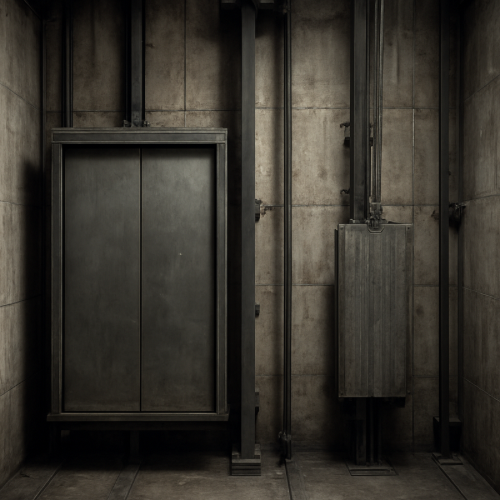
Elevators use counterweights to balance the weight of the elevator car and reduce the amount of force required to move it up and down.
Balancing the Elevator Car
The counterweight is designed to weigh roughly the same as the elevator car plus a partial passenger load. This balance minimizes the difference in weight the motor must lift.
Instead of lifting the full car weight, the system only needs to overcome the imbalance.
Reducing Energy Use
Because the counterweight offsets much of the car’s mass, the elevator motor uses significantly less energy. Moving a balanced system requires far less power than lifting an unbalanced load.
This improves efficiency during both upward and downward travel.
Limiting Mechanical Strain
Without a counterweight, elevator components would experience much higher stress. Motors, cables, and brakes would wear out more quickly.
The counterweight distributes forces more evenly across the system.
Supporting Smooth Movement
A balanced system allows elevators to start and stop smoothly. Sudden jerks or uneven motion are reduced because the counterweight stabilizes movement.
This improves ride comfort and system reliability.
Standard Practice in Traction Elevators
Counterweights are a core feature of traction elevator design. They make vertical transportation practical in tall buildings by combining efficiency, safety, and durability.
The design has remained largely unchanged because it works reliably.