Why Do Bottle Caps Have Ridges Around the Edge?
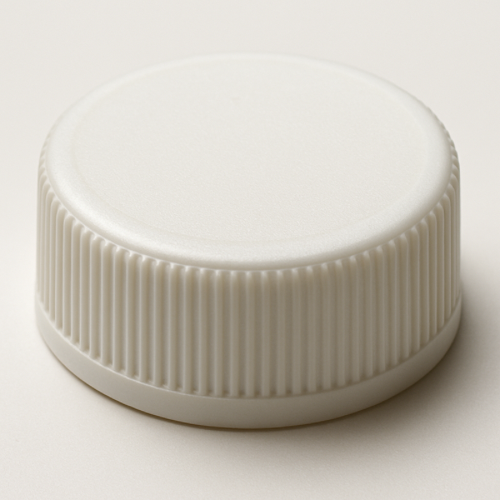
Bottle caps have ridges around the edge to improve grip, allow greater twisting force, and make the cap easier to open and close.
Improving Grip With Dry or Wet Hands
Smooth plastic becomes slippery when wet. Ridges create texture that increases friction between the hand and the cap.
This makes twisting easier in everyday use.
Allowing Higher Twisting Force
The ridged edge gives fingers more leverage. This allows the cap to be tightened securely during sealing and loosened later without tools.
The design supports consistent torque.
Preventing Accidental Slipping
Ridges reduce the chance of fingers slipping off the cap while turning it.
This helps prevent spills and dropped containers.
Supporting Fast Automated Capping
During manufacturing, machines grip caps by the edges. Ridged surfaces improve mechanical handling and positioning.
This supports high-speed bottling.
Standard Closure Design
Ridges are a standard feature of screw caps because they balance usability, sealing reliability, and manufacturing efficiency.
The design has remained effective across many container types.