Why Did My Bank Temporarily Freeze My Account After a Large Deposit?
If your bank temporarily froze your account after a large deposit, it usually means the transaction triggered automated fraud or compliance monitoring thresholds.
Banks are required to review certain transactions that exceed internal risk parameters or regulatory reporting limits.
What an Account Freeze Means
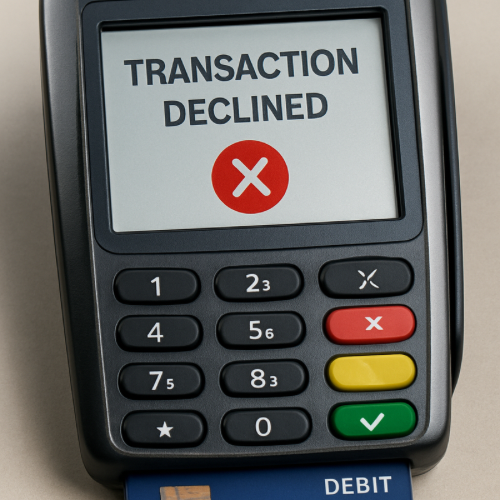
An account freeze typically restricts outgoing transactions while the bank reviews recent activity. Deposits may remain visible, but withdrawals, transfers, or debit card use may be blocked.
This is often temporary and tied to verification processes.
Why This Happens (The Mechanism)
1. Unusual Activity Detection
Banks use automated systems to detect transactions that differ from your normal activity patterns.
A deposit that is significantly larger than your typical transactions can trigger a review.
2. Regulatory Compliance Requirements
Financial institutions must monitor transactions for anti-money laundering (AML) and reporting compliance.
Certain deposit sizes or structures may require additional review before funds are fully usable.
3. Source Verification
If the deposit source is unfamiliar or from a new account, the bank may temporarily restrict access until verification is completed.
4. Provisional Credit Risk
Some large deposits are credited before final settlement. If risk scoring flags the deposit, the bank may restrict the account until clearing completes.
This is different from how authorization holds temporarily reserve funds for debit purchases rather than restricting the entire account.
How This Differs From Overdraft or Fee Issues
An account freeze is not the same as an overdraft or fee-related hold.
Overdraft situations relate to available balance calculations, as explained in ledger versus available balance differences.
When It’s Normal vs When It’s Unusual
Normal
- Large deposit inconsistent with past activity
- New funding source
- Account recently opened
Unusual
- Freeze lasting multiple weeks without explanation
- No notification from bank
- Restrictions unrelated to recent deposit activity
Real-World Example
You normally deposit $2,000 paychecks. One week, you deposit $25,000 from a property sale. The bank’s monitoring system flags the amount as unusual and temporarily restricts outgoing transactions pending review.
What This Means for You
A temporary freeze after a large deposit usually reflects automated risk review rather than permanent account closure.
Bottom Line
If your bank froze your account after a large deposit, the system likely triggered a compliance or fraud monitoring threshold. Most freezes are temporary while verification processes complete.