What Happens When You Miss a Payment?
When you miss a payment, it becomes overdue. The amount is still owed, and additional steps may follow depending on the account or service.
Missing a payment does not usually cause immediate consequences, but it starts a process.
What It Is
A missed payment occurs when a required payment is not made by its due date.
The account remains unpaid until the balance is settled.
How It Happens
Missed payments usually follow a predictable sequence.
- A bill or obligation has a stated due date.
- The payment is not received by that date.
- The account is marked overdue or past due.
- Notices or reminders may be sent.
The situation continues until the payment is made or further action is taken.
Why This Happens
Missed payments can occur due to oversight, timing issues, or payment processing delays.
Systems use due dates to manage accounts and track balances.
Common Examples
- A utility bill not paid by the due date
- A subscription charge that fails to process
- A service fee that remains unpaid
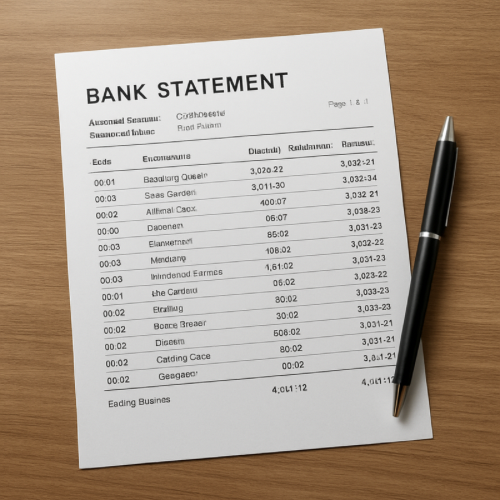
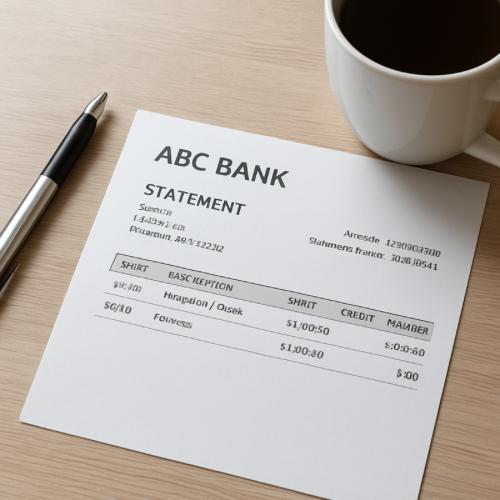
- A statement marked past due
What to Know Next
Some missed payments include a short grace period.
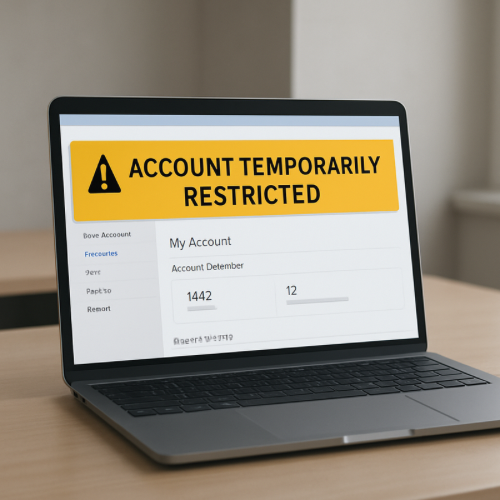
Others may result in fees or restrictions if left unpaid.
Simple Cautions
Repeated missed payments can lead to account limitations or service interruption.
Checking payment status early can prevent further steps.
Closing Summary
When you miss a payment, the balance becomes overdue. What happens next depends on how long it remains unpaid.