What Causes Condensation to Form on Windows?
What It Is
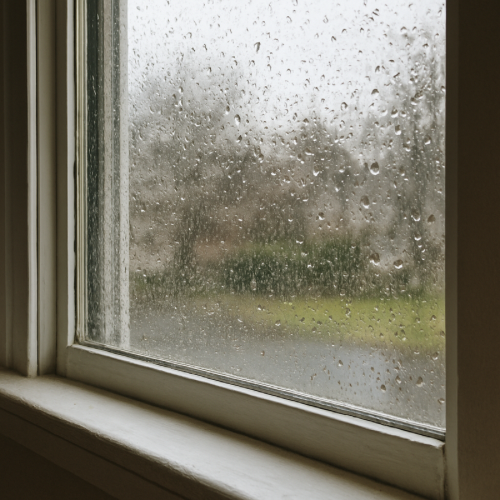
Condensation on windows appears as water droplets or fog forming on the glass, usually on the inside of the window.
How It Works
Air always contains some moisture. When warm, moist air touches a cooler surface like window glass, the air cools down.
Cool air cannot hold as much moisture, so excess water turns into liquid droplets on the glass.
Why It Happens
- Temperature difference: Warm indoor air meets cold glass.
- Indoor humidity: Moist air increases condensation.
- Cold weather: Outdoor temperatures cool the glass.
- Limited airflow: Still air allows moisture to settle.
Common Examples
- Water droplets on windows in winter
- Foggy glass in bathrooms or kitchens
- Condensation appearing overnight
What to Know Next
Condensation is a normal physical process and does not always indicate a window problem.
Simple Cautions
Frequent condensation can leave moisture on window frames, which may affect surrounding materials over time.
Closing Summary
Condensation forms on windows when warm, moist air cools against cold glass, causing water to collect on the surface.