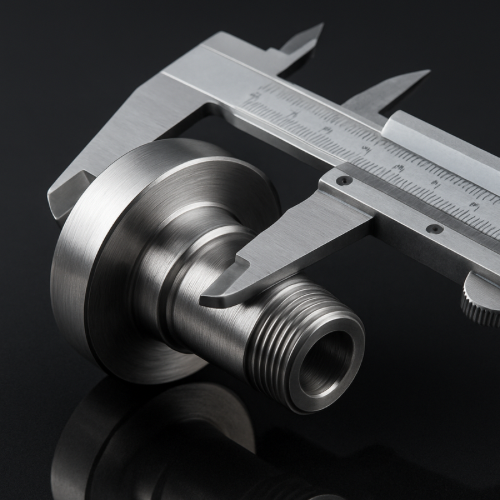
How Is Tolerance Determined in Machined Metal Parts?
Tolerance in machined metal parts is determined by functional fit requirements, manufacturing process capability, material behavior, and cost considerations.
Functional Fit Requirements
The required tolerance depends on how the part interacts with other components.
Tighter fits demand smaller allowable variation.
Type of Fit
Engineering standards classify fits such as clearance, transition, and interference.
Each fit category requires specific dimensional limits.
Manufacturing Capability
Different machining processes achieve different precision levels.
CNC milling, grinding, and turning each have typical tolerance ranges.
Material Expansion and Behavior
Metals expand and contract with temperature changes.
Tolerance calculations account for expected operating conditions.
Inspection and Measurement Limits
Tolerances must be measurable using available tools.
Specifying a tolerance tighter than inspection capability increases rejection rates.
Cost Tradeoffs
Tighter tolerances require slower machining speeds and more precise tooling.
This increases production cost.
Looser tolerances reduce cost but may affect performance.
Standardization in Engineering Practice
Industry standards provide general tolerance guidelines.
Engineers adjust these values based on application demands.
Precision Manufacturing Practice
Tolerance is not arbitrary.
It represents a calculated balance between functionality, manufacturability, and economic efficiency.